Prospective Faculty + Staff

Why the College of Liberal Arts and Sciences (CLAS)?

As one of the University of Florida’s founding colleges, the College of Liberal Arts and Sciences honors its rich heritage while continually embracing innovation. As the largest college on campus, we are dynamic and forward-thinking, pioneering advancements in both teaching and research. With the most extensive array of international programs, our influence is truly global.

785

Faculty

40+

Majors

12

National Academy of Sciences Members

12,450

Undergraduates

3,500

Degrees Awarded Anually

1,560

Graduate Students

CLAS Research News

Three people stand with a mascot shaped like a voting ballot

UF political science students thrive through undergraduate research

Undergraduate research opportunities at UF are helping political science students kick-start their careers before graduation.

A planet orbiting its star with another orbiting planet in the background

New study reveals potential atmosphere on rocky planet of nearby star

The Magellan Clay telescope showed proof of helium escaping from a planet originally discovered by UF Assistant Professor of Astronomy Jason Dittmann, Ph.D., pointing to the potential of an atmosphere.

A person with their arms around the back of a large turtle

UF doctoral student studies sea turtle feeding during nesting season

Ariadna Arnau is working to understand a “mixed strategy” – where turtles supplement stored energy by feeding while nesting.

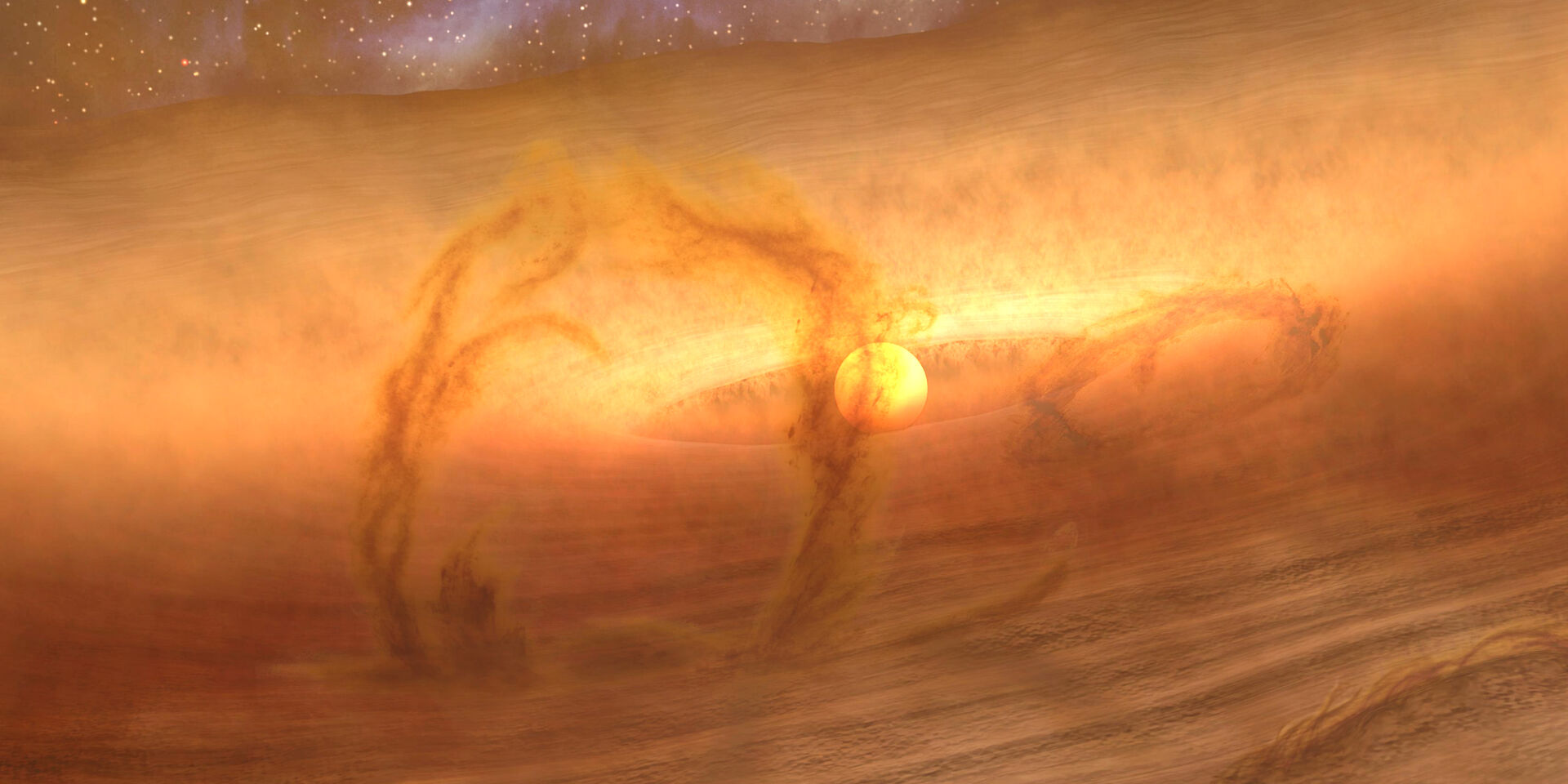
cosmic river of gas in space

Cosmic river of gas may have tilted a young planet

UF astronomers offer new evidence to explain why some planetary systems are misaligned.

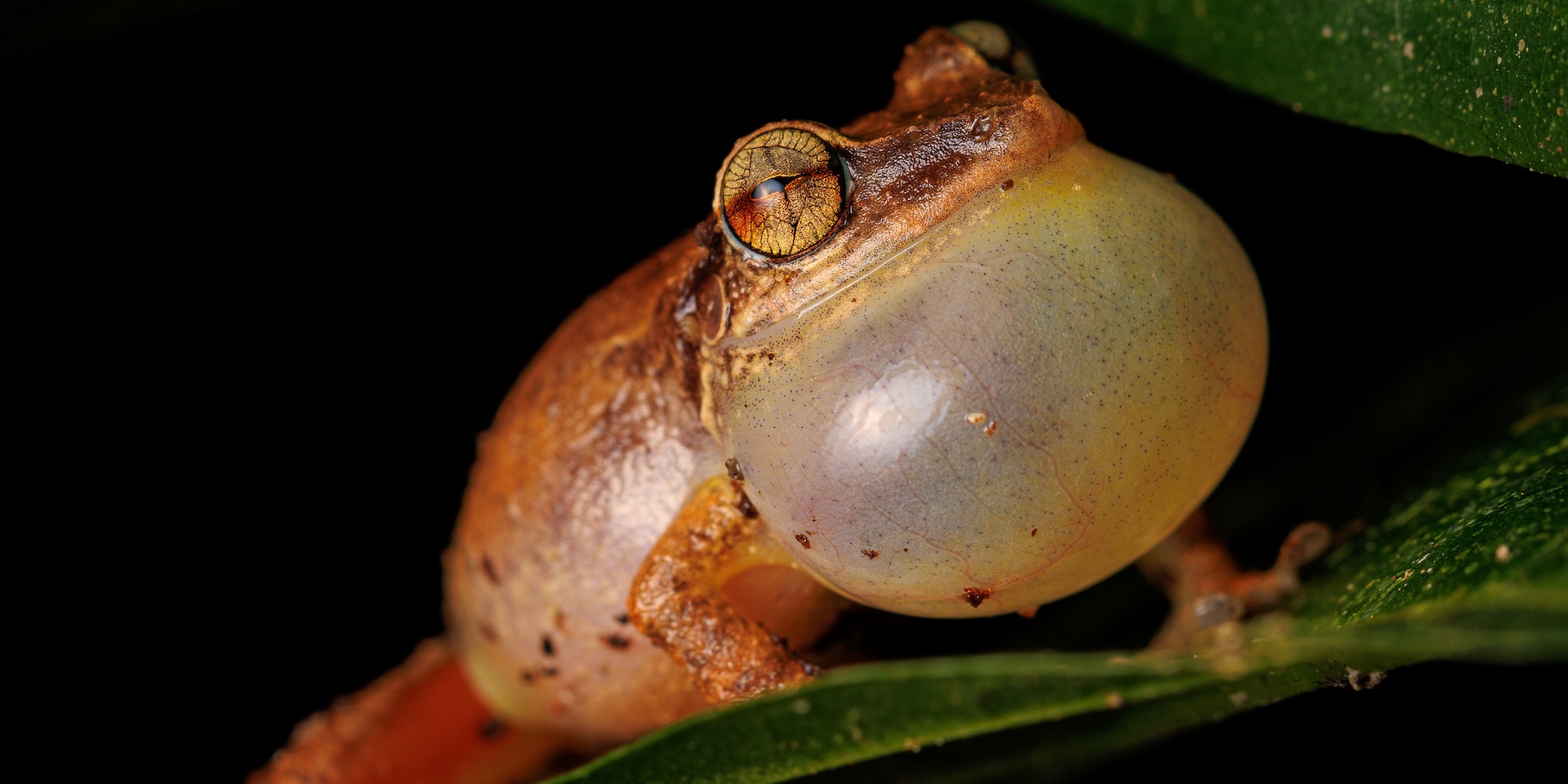
Coqui frog.

Young frogs “play it safe” when disease strikes, UF researchers find

The findings, published in the Journal of Animal Ecology, reveal how early-life decisions about energy use shape survival, development and population health.

A mosquito on a plant

Healthy infant microbiomes appear to protect against malaria

Healthy gut microbes in 6-week-old infants were linked to a lower risk of malaria during babies’ first year of life.

A dung beetle on a dung ball

Study finds elephant loss sets off ecosystem chain reaction starting with dung beetles

UF Professor of Biology Todd Palmer, Ph.D., was part of a study that found that when elephants were removed from experimental landscapes, dung beetle populations collapsed.

Six people standing on a sidewalk in front of a house.

Grass Scholars students develop digital walking tour of Duckpond

As a part of the Alexander Grass Scholars program, a group of UF students created a digital walking tour of the historic Duckpond neighborhood.